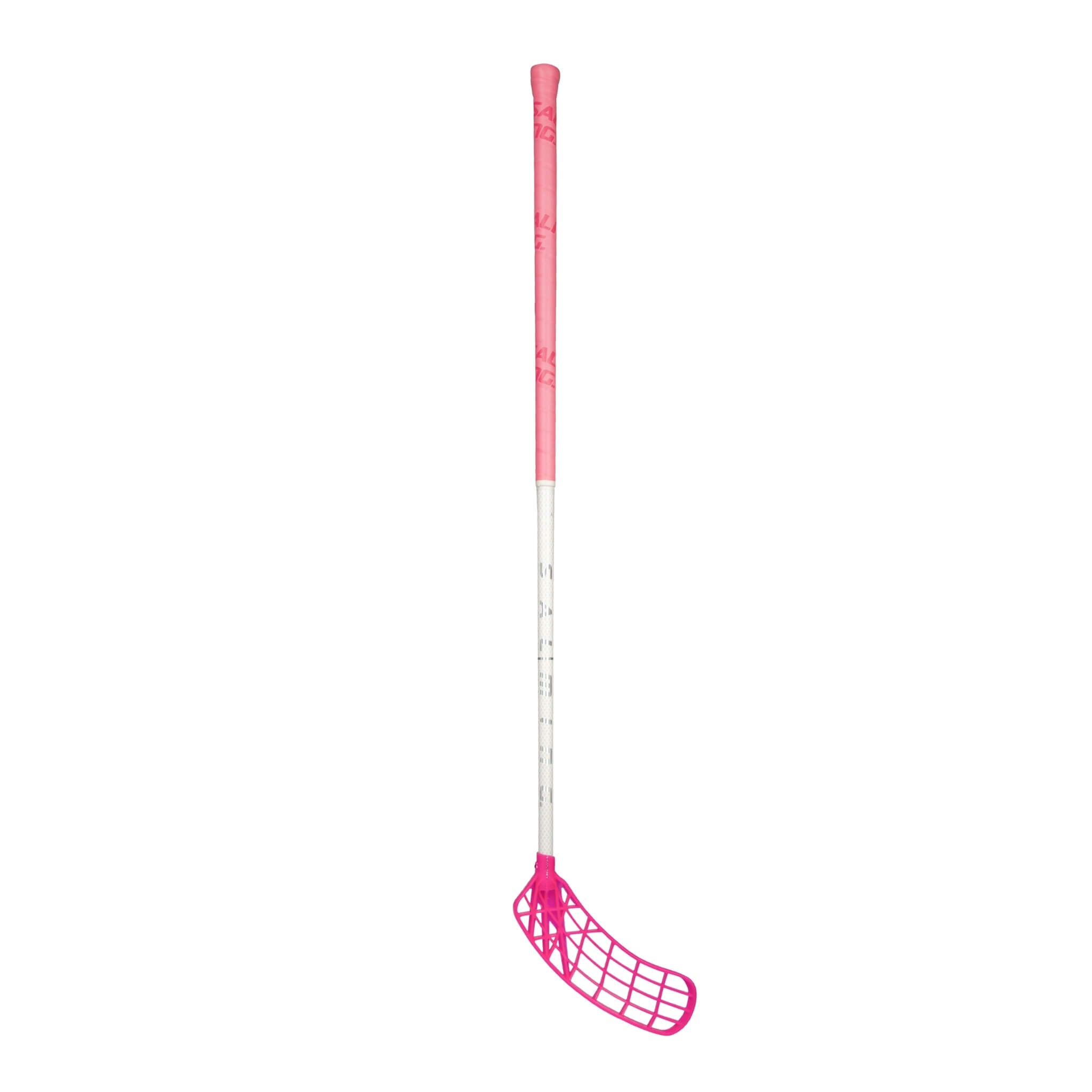
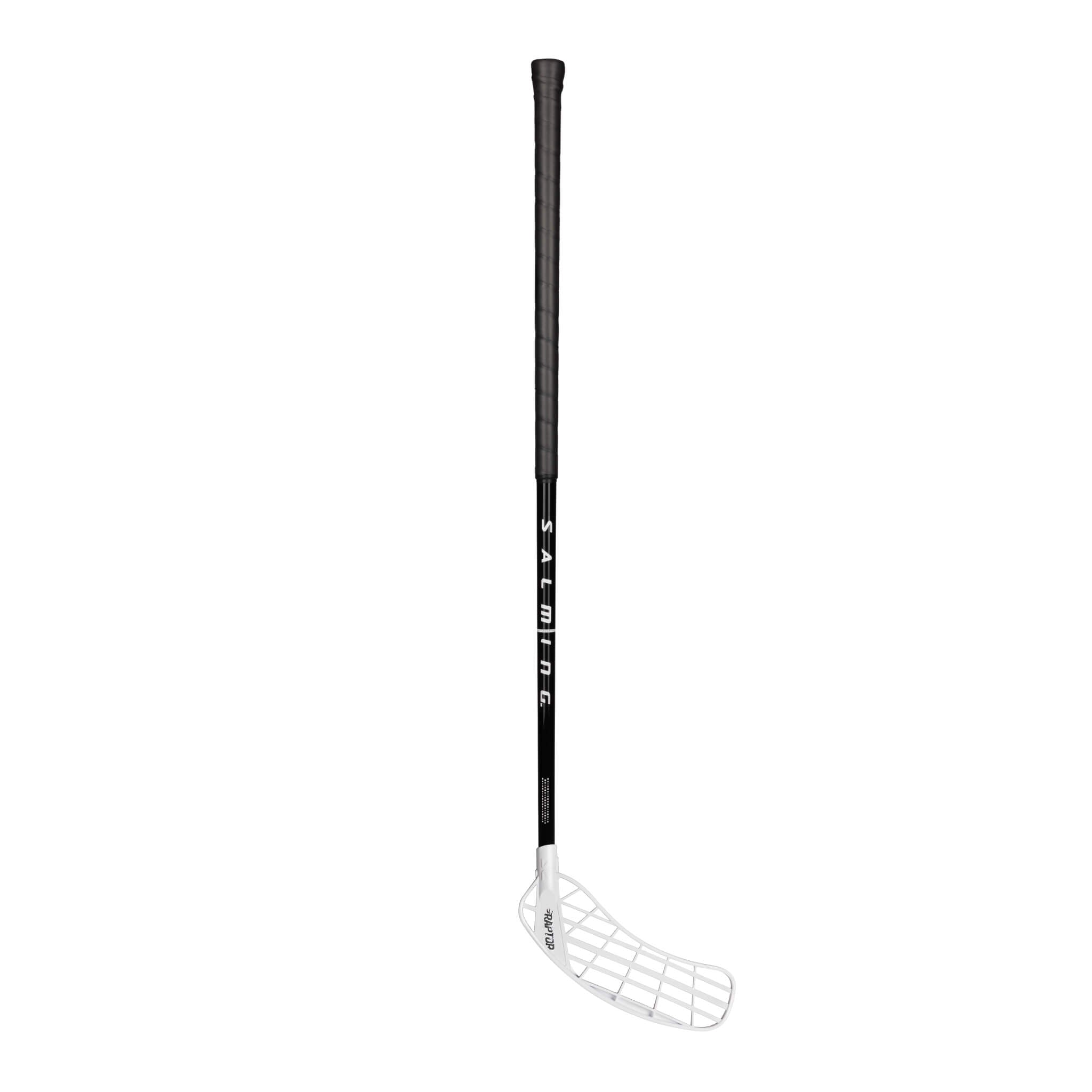
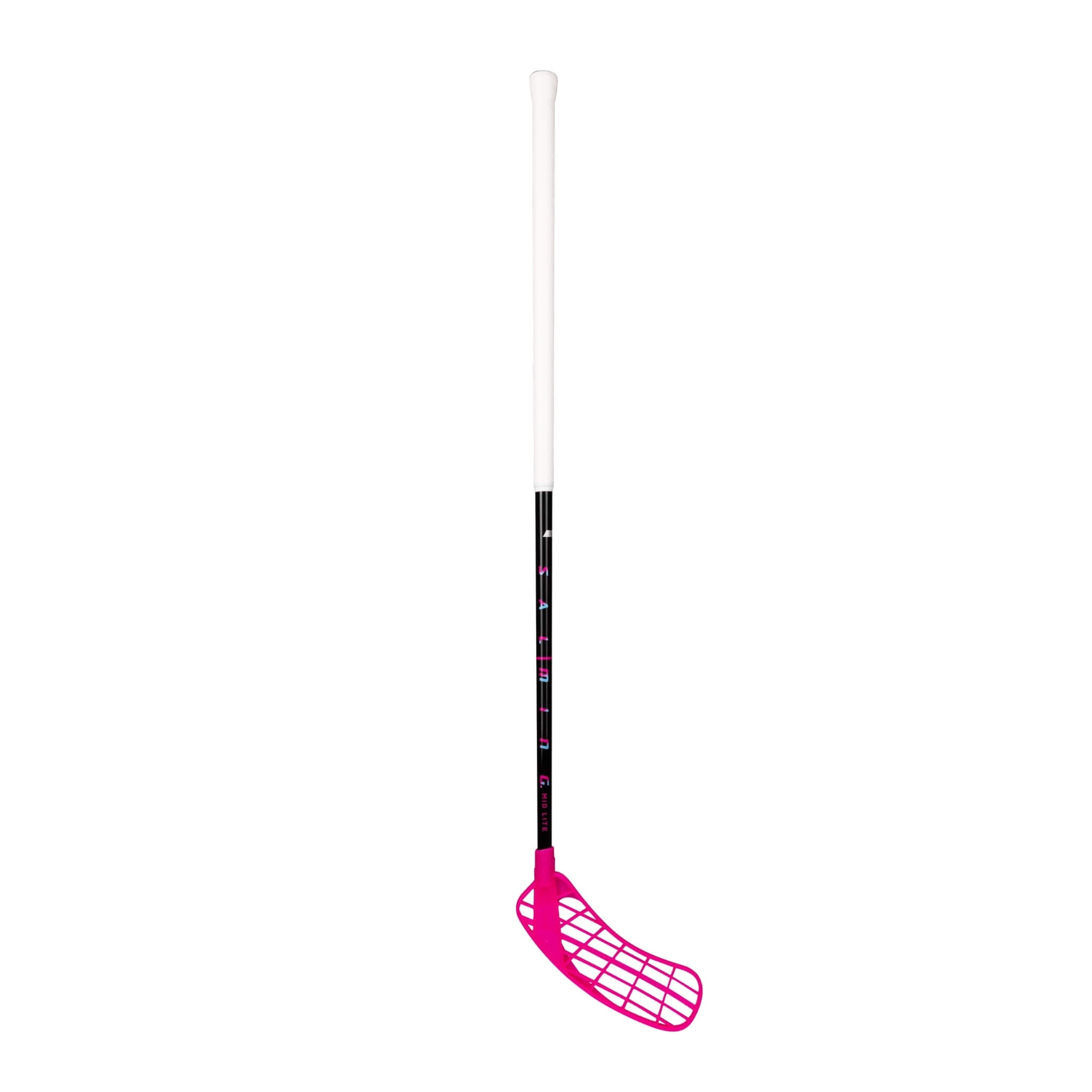
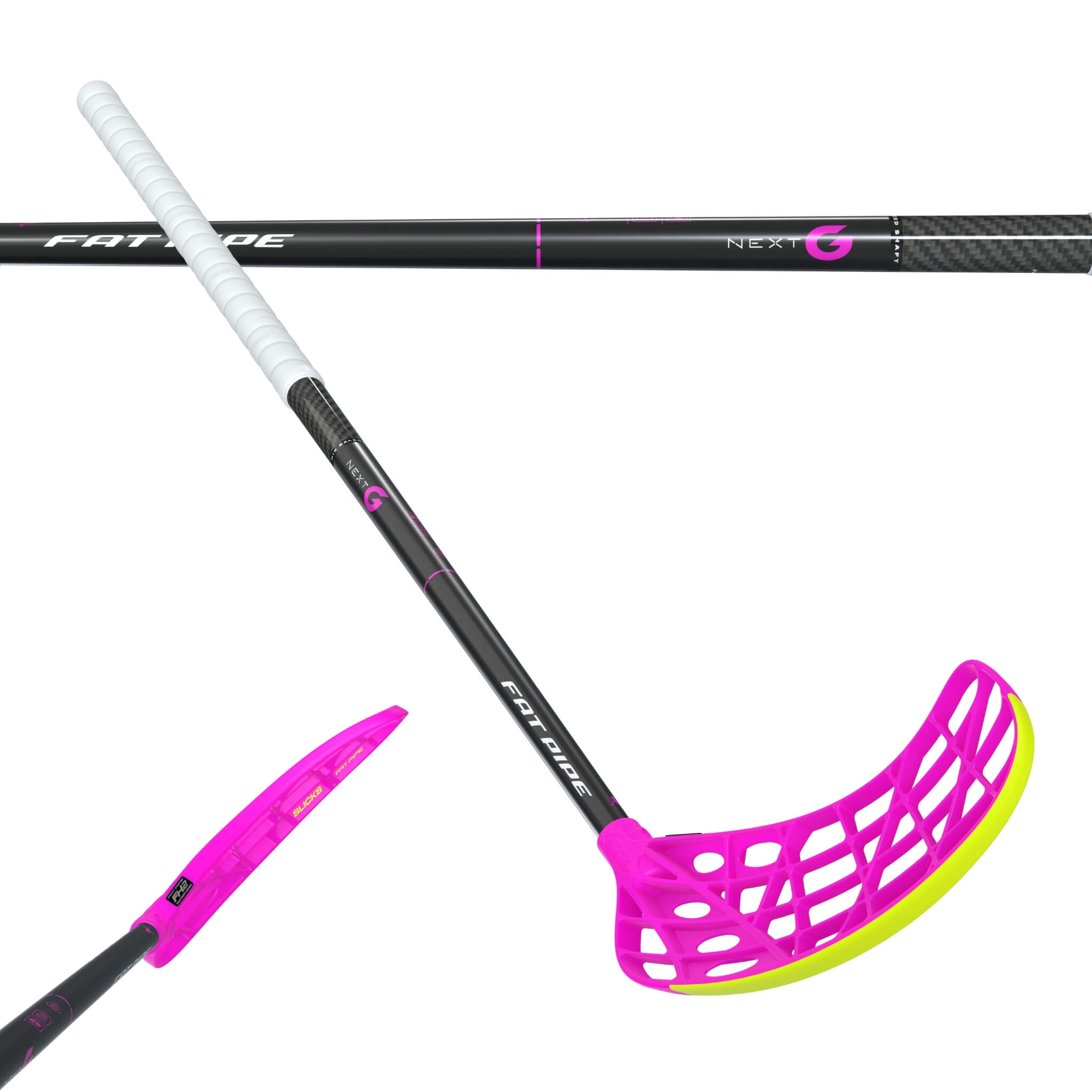
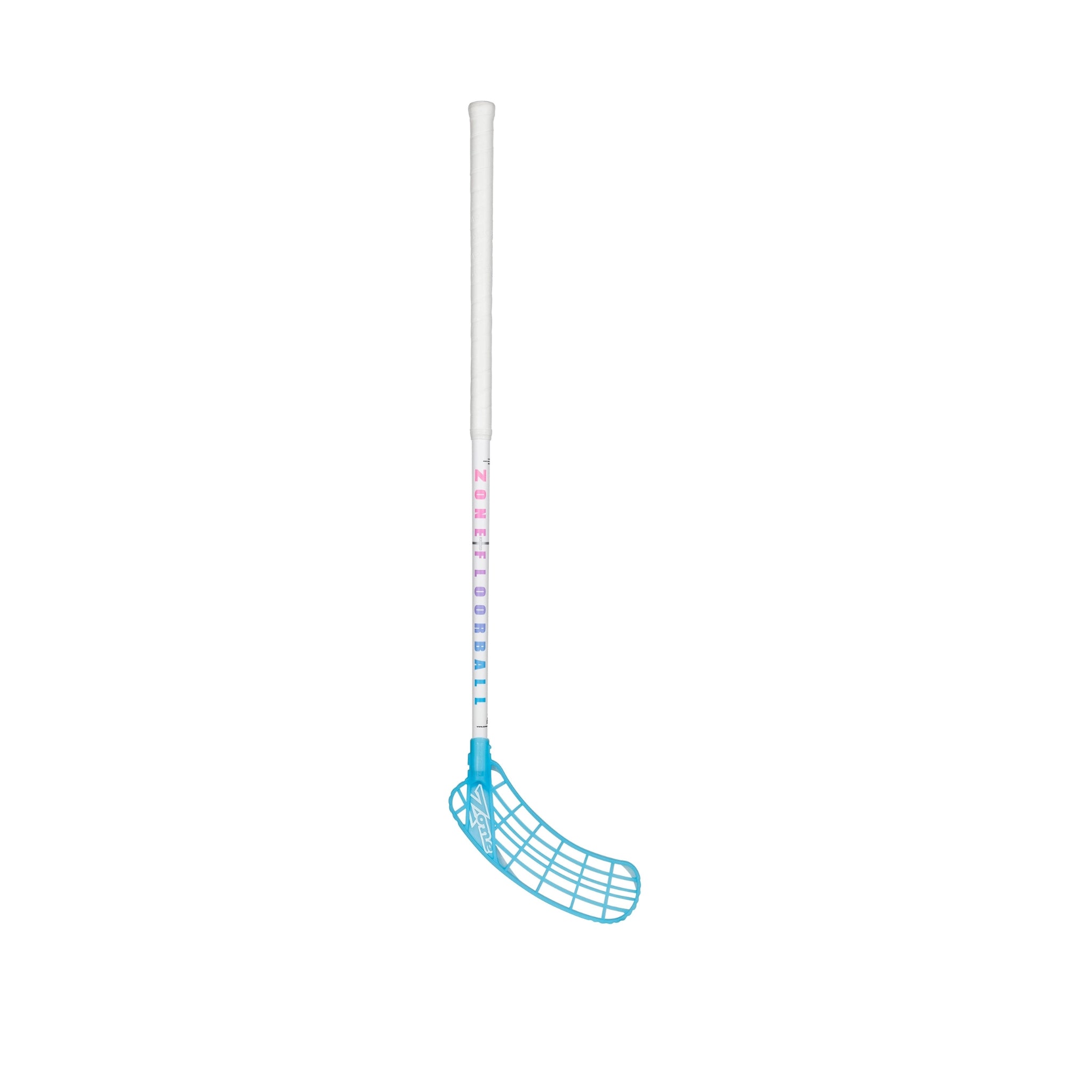
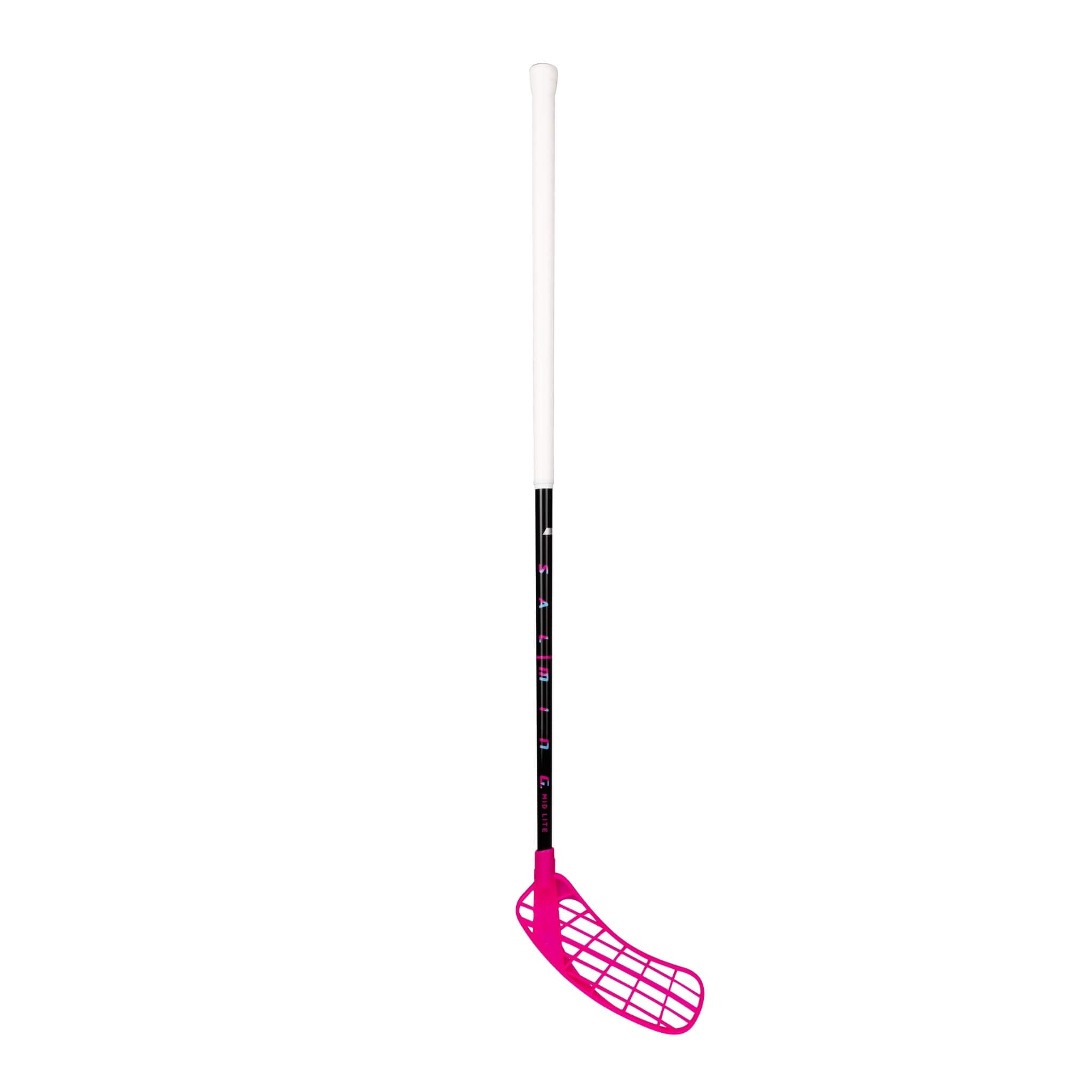
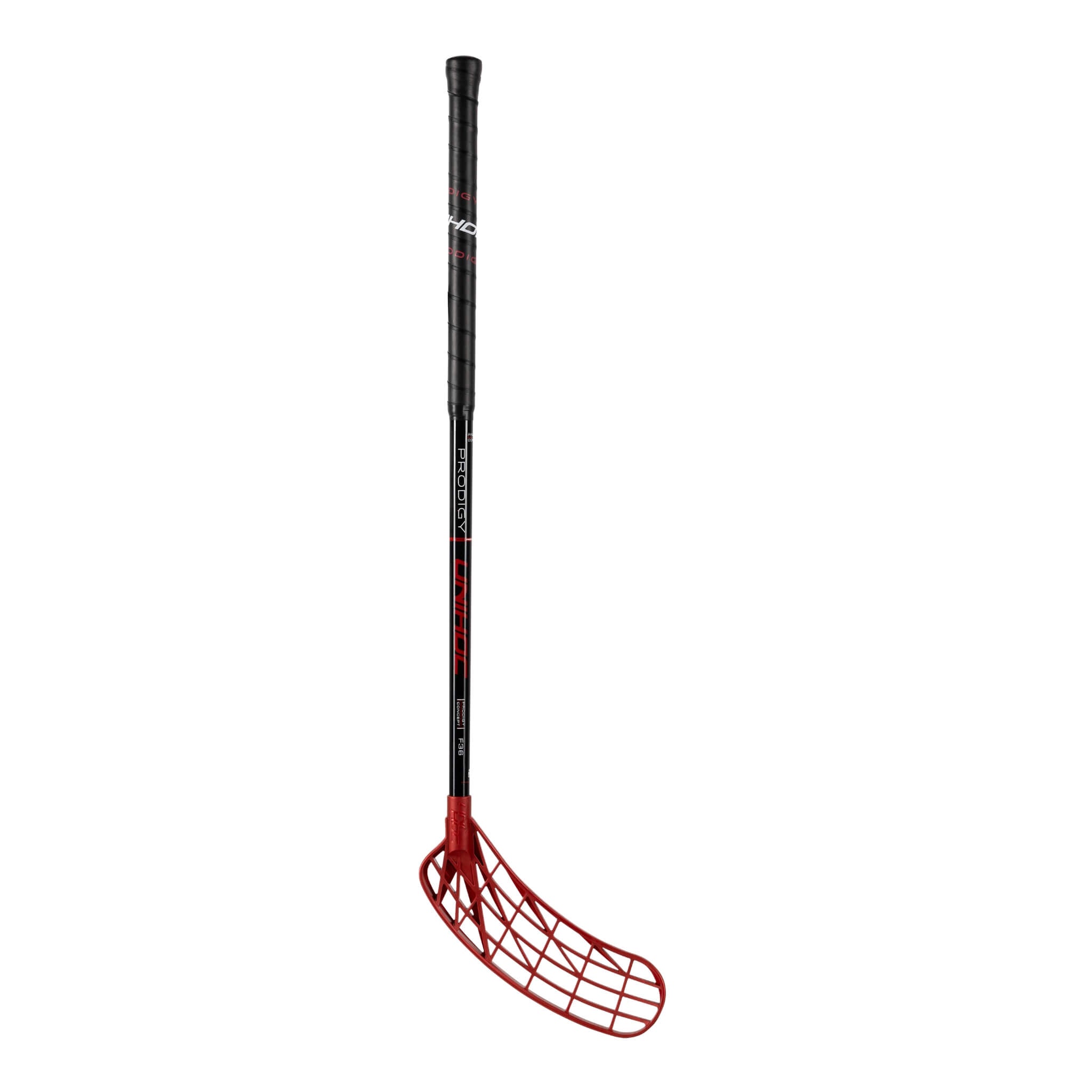
Choosing the right floorball stick is crucial for both feel and performance on the court. Here, we go through the most important factors to consider – from length and flex to grip and blade.
Guides
What length should my floorball stick be?
What flex should I choose for my floorball stick?
How to replace the grip tape on your floorball stick
How to replace the blade on your floorball stick
Build your zorro stick & learn the zorro trick
Length
For children, it is especially important to choose a stick that matches their height in order to avoid incorrect strain and support proper playing technique.
The recommendation is that the stick should reach up to or just above the child’s navel. Some parents consider a longer stick for the child to "grow into," but keep in mind that a stick that is too long can make ball control more difficult.
It is important to note that the length stated on our website refers to the total shaft length without the blade. With a blade attached, the total length of the stick increases by approximately 10 cm.
Table:
Your height (cm) (shaft length cm):
- <115 (<60)
- 115–125 (65–70)
- 125–135 (71–75)
- 135–145 (76–79)
- 145–155 (80–85)
- 155–165 (86–90)
- 165–175 (91–95)
- 175–180 (96–100)
- >180 (101–104)
Flex
For juniors and children, it is especially important to choose the right flex to avoid injuries and support development. Flex refers to the stiffness of the shaft and affects how much the stick bends. If a stick bends 26 mm, it has a flex of 26.
- Juniors: A flex between 27–32 is recommended. Juniors with good technique may benefit from choosing a lower flex to develop their shots, but overall, a flex between 28–31 works well to provide the right balance between power and control.
- Children: For younger children, a higher flex between 32–36 is recommended. A softer stick helps children gain better control and develop proper technique without using excessive force.
Handedness
If the stick is on your left side and you have your right hand at the top, you are a left player. This is the most common orientation and can be compared to being right-handed.
If the stick is on your right side and you have your left hand at the top, you are a right player. This is slightly less common.
Blade
Floorball blades come in different hardness levels – most commonly soft, medium, and hard. A softer blade provides better ball control and makes passing and receiving easier.
Many players feel that a harder blade gives a more powerful shot. It ultimately comes down to personal preference. If a blade breaks, it is easy to replace it.
For younger players, a softer blade (soft or medium) is recommended as it improves ball control and helps develop passing and shooting technique. Harder blades can be more difficult for beginners and may negatively affect development.
Shaft and grip
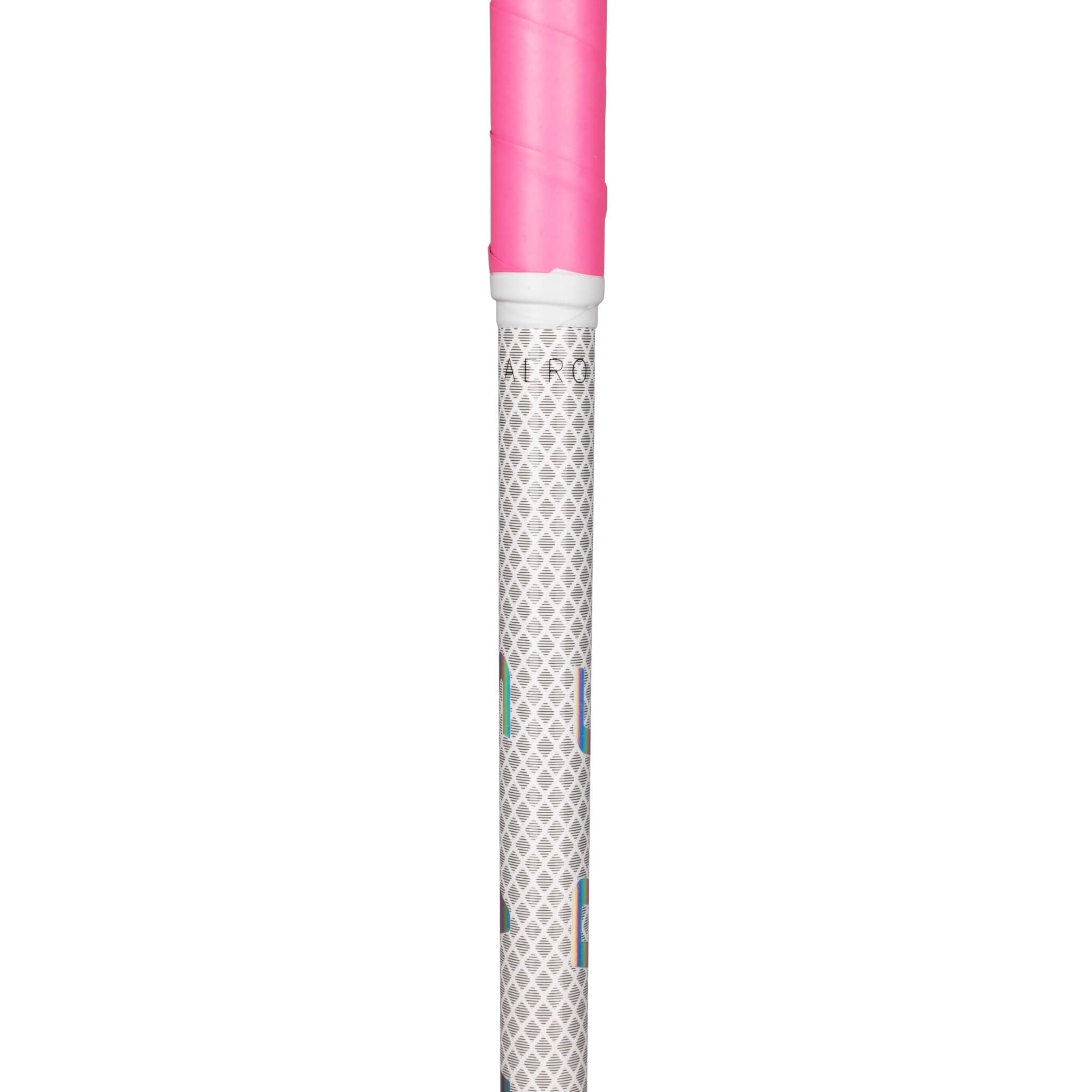
About half of all floorball players use round shafts, but oval and curved shafts are becoming increasingly popular. Grip preference is individual, so it’s best to test different options to find what suits you best.
Brands
At Innebandy24, you will find a wide range of products from the world’s leading brands at competitive prices. We offer the latest releases for children and juniors from Oxdog, Unihoc, Zone and Salming.
Frequently asked questions
How do I know which stick length is right for my child?
Measure from the ground up to your child’s navel and choose a stick that matches that total length (including the blade).
Can my child use a stick that is slightly too long to grow into?
This is not recommended, as a stick that is too long can negatively affect technique and increase the risk of incorrect strain.
How often should a child replace their floorball stick?
It depends on how quickly the child grows and how much the stick is used. Check regularly that the length is still correct and that the blade and grip are in good condition.